Sign Language Interpreter Journey
From voluntary beginnings in Mariquita, Tolima in 2007 to interpreting in high-impact universities and educational organizations across Colombia.
Welcome to my personal blog. Here I share my professional experience as a Colombian Sign Language interpreter, my English language learning activities, and my reflections on critical thinking and media literacy.
Navigate through the three main pillars of my professional story and educational growth.
From voluntary beginnings in Mariquita, Tolima in 2007 to interpreting in high-impact universities and educational organizations across Colombia.
Three core activities that supported my English acquisition: describing memories in Mariquita, expanding career doors, and interactive Kahoot games.
Insights on filtering pandemic misinformation, verifying sources, and ethical responsibilities as an interpreter in information transmission.
A comprehensive chronological timeline tracing more than 15 years of dedicated interpreting service, vocational dedication, and professional growth.
My journey with Colombian Sign Language started in 2007 in San Sebastián de Mariquita, Tolima. At that time, I participated in volunteer religious activities. I wanted to communicate with Deaf people and help them access information and spiritual education.
At first, sign language was part of my volunteer service. However, as I spent more time with Deaf people, I began to love the language and the Deaf community. I discovered that sign language was a powerful way to connect people and promote communication.
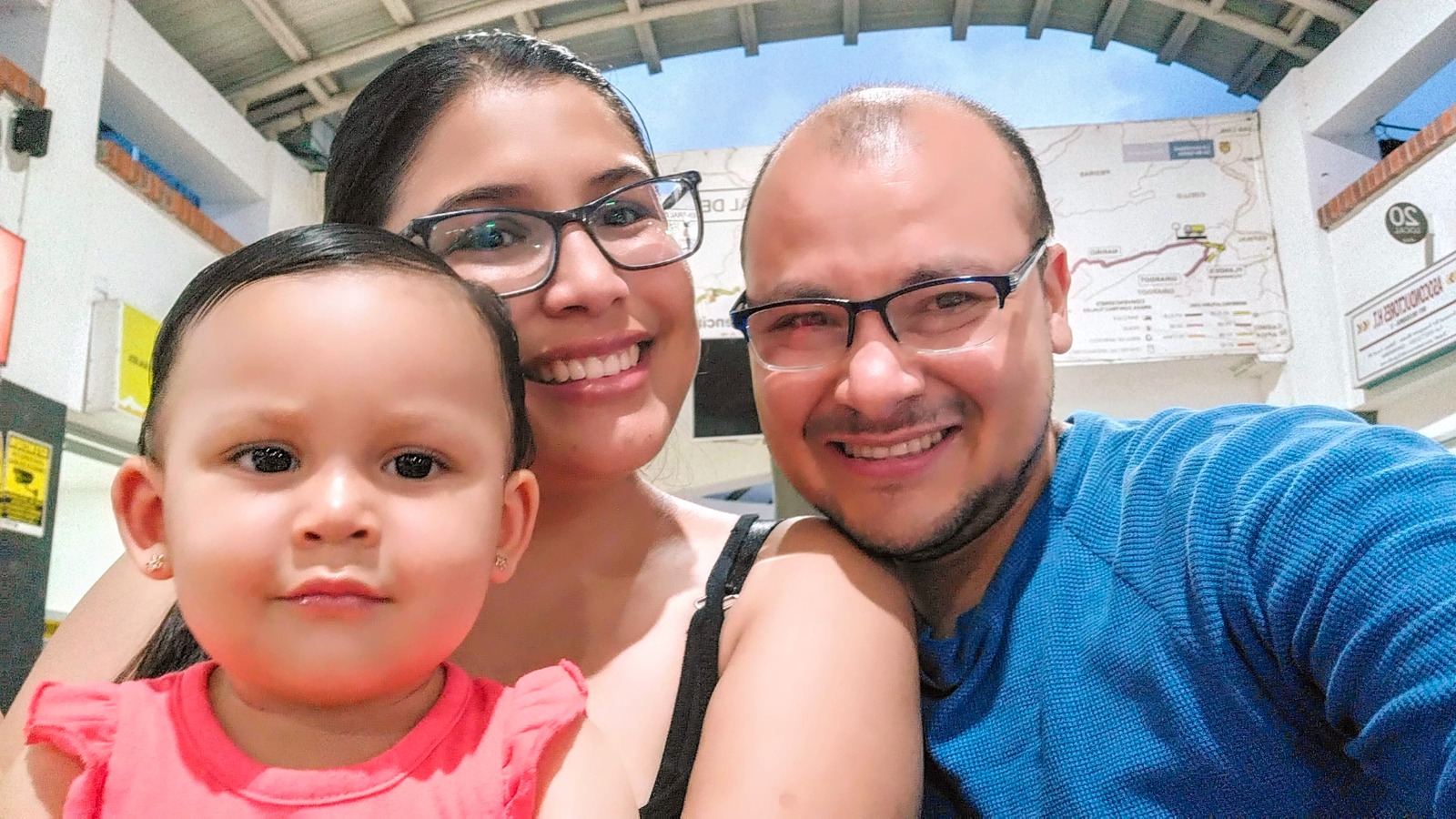
A few years later, an unexpected opportunity changed my life.
My former wife, Jeimy Yesenia Acosta, had an interview at ASORTOL (Association of Deaf People of Tolima). I went with her to the interview. I did not imagine that I would also participate in the evaluation process.
During that visit, ASORTOL evaluated my sign language skills and gave me the opportunity to start working with the Deaf community. This experience opened the door to my professional career as a sign language interpreter.
Through ASORTOL, I completed the first four levels of Colombian Sign Language.
Later, I continued my studies with FENASCOL and completed the remaining levels, including the course Fundamentals of Interpretation.
These courses gave me the knowledge and skills I needed to begin my professional journey.
In April 2011, I started working as a sign language interpreter at Colombo Alemán Scalas School in Lérida, Tolima.
During these years, I worked in different educational and community settings in Tolima. I also worked at the FENASCOL Telecommunications Center. These experiences helped me improve my communication skills and gain confidence as an interpreter.
In 2017, I moved to Medellín with my first wife.
There, I started working through the UAI program at Francisco Luis Hernández Betancur Educational Institution, better known as CIESOR.
This experience allowed me to support Deaf students and continue growing as a professional interpreter.
In 2018, my wife and I were invited to serve at Bethel.
Although I learned a lot through ASORTOL and FENASCOL, I believe that I truly improved as a professional interpreter at Bethel. There, I received training in translation techniques and worked with language-related projects every day.
This experience helped me improve the quality, accuracy, and professionalism of my work.
Sadly, my first wife passed away in June 2018. This was a very difficult period in my life, but I continued moving forward personally and professionally.
Later that year, I worked as a sign language interpreter for the Bogotá Department of Education at San Francisco School.
In December 2018, I returned to Bethel and served there until May 2019.
This experience helped me continue improving my translation and interpretation skills.
After leaving Bethel, I returned to Tolima and worked for Fundación Progresa until June 2020.
Later, I joined UNAD (National Open and Distance University), where I worked until December 2020.
These experiences allowed me to continue supporting Deaf students and inclusion processes.
At the end of 2020, I returned to Medellín and continued working as a sign language interpreter.
I worked in different settings, including education, health services, legal services, companies, and community projects.
From 2023 to 2024, I worked with the University of Antioquia.
There, I supported Deaf students and accessibility processes in higher education.
In 2025, I returned to work with the UAI program at CIESOR.
This opportunity allowed me to continue supporting Deaf students and inclusive education.
In July 2026, I resigned from my previous position and started working at TdeA.
This new opportunity has allowed me to continue learning and growing as a professional interpreter.
Working with the Deaf community has been one of the most meaningful experiences of my life.
Throughout the years, I have learned that interpreting is more than translating words. It is about helping people communicate and understand each other.
Today, thanks to the opportunity provided by SENA, I am studying Technology in Translation and Interpretation. This program helps me strengthen the knowledge and experience I have gained during my professional career.
My goal is to continue learning, improve my skills, strengthen my English, and contribute to a more inclusive society.
Three practical activities and interactive tools that powered my English language journey.
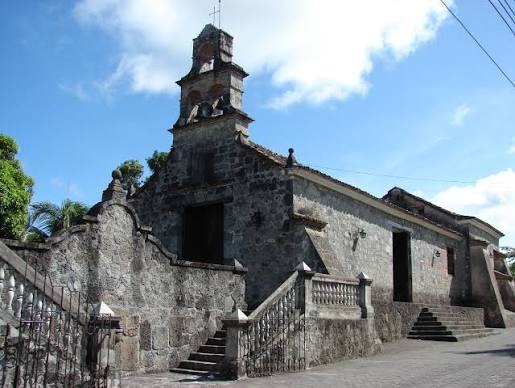
One of my favorite activities was talking about Mariquita, Tolima, the town where I lived for many years.
This activity allowed me to describe places, personal experiences, and important memories from my life. I practiced vocabulary related to travel, culture, landmarks, and daily life.
I enjoyed this activity because it helped me connect English learning with my personal experiences.
Mariquita is a beautiful town with history, culture, and friendly people. Talking about my hometown made the learning process more meaningful and enjoyable.
This activity helped me understand the importance of learning English.
English can open doors to new opportunities in education, work, and communication. As a sign language interpreter, I believe that learning languages is very important because it helps us connect with more people and access more information.
During this activity, I practiced reading and writing skills while reflecting on my personal and professional goals.
I enjoyed this activity because it motivated me to continue learning English and improving my communication skills.
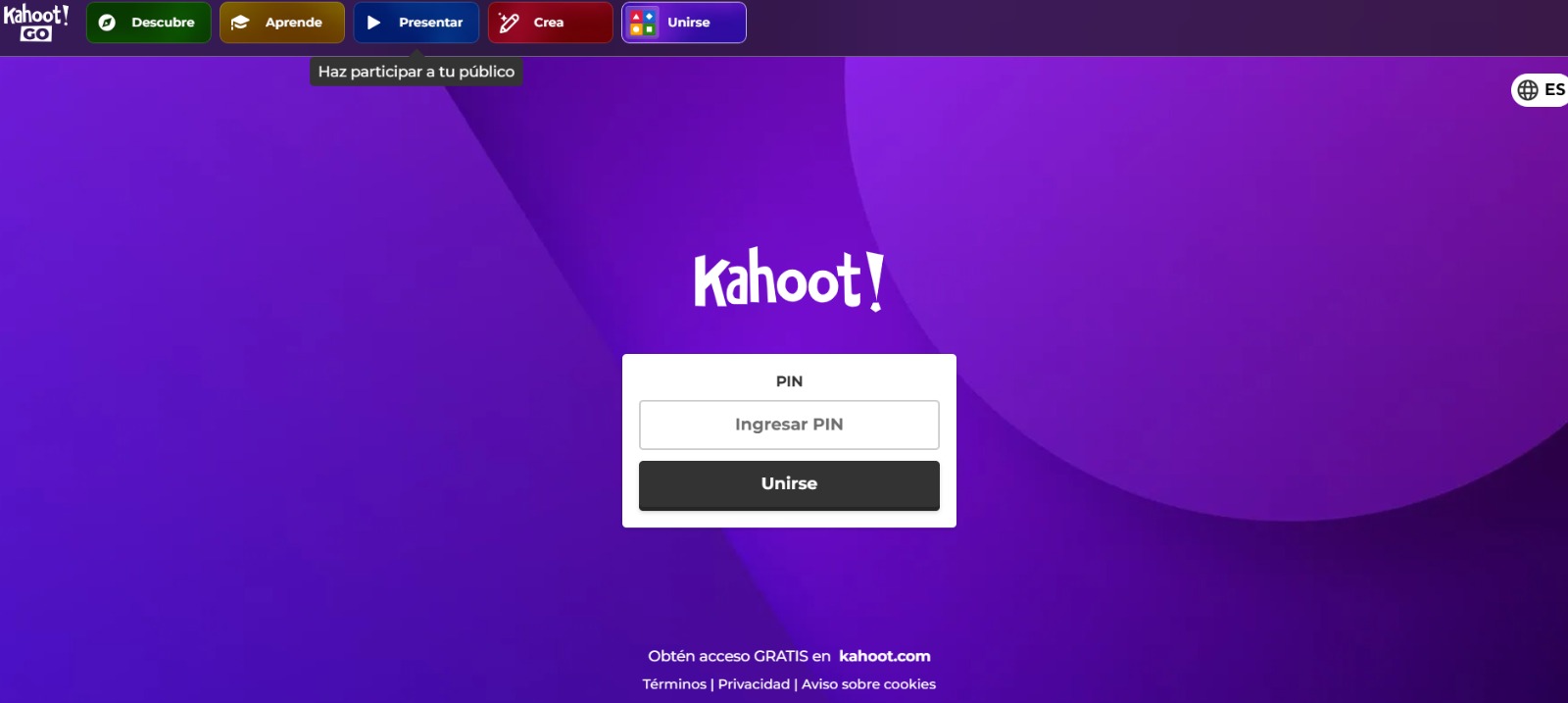
One of the most enjoyable activities during this course was Kahoot.
Through Kahoot, I reviewed vocabulary, grammar, and topics studied in class in a fun and interactive way.
I liked the activity because it combined learning with friendly competition. It helped me identify what I had learned and what I still needed to practice.
This experience made learning English more dynamic and motivating.
Concepts, core benefits, and personal reflections on navigating information responsibly in the digital age.
Critical thinking is the ability to analyze information carefully before accepting it as true.
It helps people ask questions, evaluate evidence, compare information, and make better decisions.
Critical thinking is important because it allows us to solve problems and avoid misinformation.
Media literacy is the ability to access, understand, evaluate, and use information from different media sources.
Today, people receive information from websites, television, newspapers, social media, videos, and messaging applications.
Media literacy helps people recognize reliable information and identify false or misleading content.
This activity helped me understand that not all information we receive is true.
A real example happened during the COVID-19 pandemic. During that time, many people shared messages through WhatsApp about treatments, restrictions, and government decisions.
Many of these messages seemed true because they came from friends or relatives. However, when people checked official sources such as government websites or health authorities, they discovered that some messages contained false or incomplete information.
This experience showed me the importance of verifying information before believing it or sharing it with others.
As a sign language interpreter, I think this skill is very important because my work involves communicating information clearly and accurately. Before sharing information, I believe it is important to verify the source and make sure it is reliable.
Thanks to this activity, I learned that critical thinking is not only important for school or work. It is also an important skill for daily life because it helps us make informed and responsible decisions.